
Assisted living and senior care communities that feel cared for, not clinical.
AHI supports assisted living and senior care communities with facility systems that keep resident rooms, shared spaces, and support areas clean, safe, and dignified, so families, residents, and staff can focus more on daily life and less on the condition of the building.
Families and residents notice everything, and remember how it feels.
In senior living and care communities, the environment is a constant part of the decision to move in, to stay, and to trust:
- families are watching how clean, safe, and cared for spaces feel on every visit
- residents are living with the condition of the environment every hour of every day
- staff are influenced by whether the building supports or fights their work
- regulators, payers, and partners see the environment as a reflection of discipline and care
If odors, visible issues, or worn down spaces keep showing up, people don’t just question the building, they question the care.
Clean, comfortable, and respectful of the people who live there.
In assisted living and senior care communities, “looking right” typically includes:

Our work is to help define this for your specific community mix and layout and keep it steady across shifts and seasons.
Service built around life in the community.
Senior living communities have their own rhythms: mealtimes, activities, therapies, visiting hours, and quiet times. We design services as part of your broader Facility Systems:
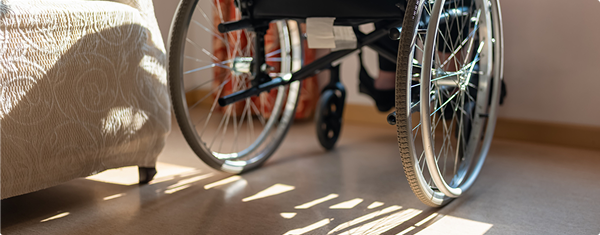
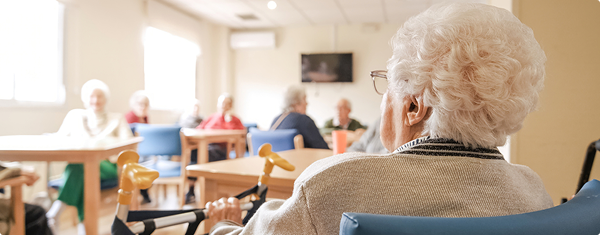
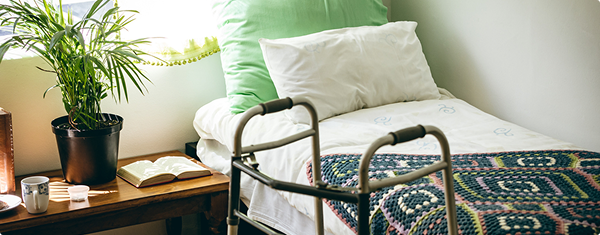
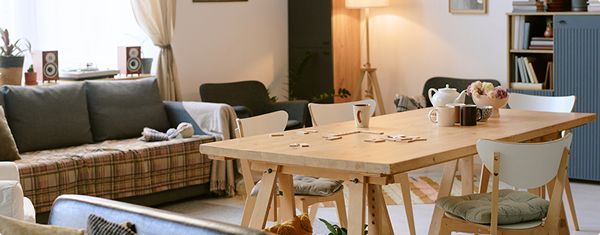
Everything is built around how residents live in the building and how families and staff move through it.
Fewer “I’m worried about Moms building” conversations.
When assisted living and senior care communities are consistently cared for, leaders often describe the change like this:
- fewer concerns from families about odors, visible messes, or little things that never seem to get fixed
- fewer hard conversations about whether the environment is part of a larger care problem
- less scrambling before tours, assessments, or community events
- more time to focus on staffing, programming, and care quality
The building becomes a support to trust, not a constant test of it.
The areas that shape comfort and trust.
We help focus effort where it matters most:

Entrances and reception
where families form their first and ongoing impressions.

Resident rooms and corridors
where residents spend most of their time and where mobility and safety are front of mind.

Dining and activity spaces
where odors, spills, and clutter are highly visible to residents and families.

Restrooms and bathing areas
where small issues can quickly become big concerns.

Memory care or higher acuity units
where environmental consistency is especially important for safety and reassurance.
From there, we extend practices across the full community in a way that matches your acuity, census, and staffing model.
A community that feels cared for, inside and out.
For assisted living and senior care, the condition of the environment influences:
- how families feel during tours, visits, and di fficult decisions
- how residents feel about dignity, comfort, and being valued
- how regulators and payers perceive discipline and care
- how word of mouth and online reviews describe your community
Our role is to help the facility support, not undermine, the story you re telling about life and care in your community.
Start with what residents and families are noticing.
You don’t need a full assessment to begin. If you can share:
- what residents and families are commenting on or complaining about
- which spaces you worry about before tours, events, or visits from leadership and regulators
- how your internal teams and outside providers are currently carrying the environmental load
we can walk through what a more accountable, hands-on, invested approach would look like for your assisted living or senior care community.
"*" indicates required fields