Safety & access systems that protect people, facilities, and operations.
AHI builds safety and access into how your facilities run through controlled access to spaces, disciplined cleaning and maintenance routines, and trained teams who understand that safety isn’t a separate program, it s part of the work.
You’re responsible for more than how the building looks.
For facility and operations leaders, safety and access are always part of the job, whether they’re on the agenda or not. They affect:
- how confident people feel moving through your buildings: staff, patients, residents, tenants, students, and visitors
- whether incidents, near‑misses, and hazards are prevented or repeated
- how regulators, surveyors, and auditors view your control over the environment
- how leadership, boards, and community stakeholders think about risk and reputation
Cleaning and maintenance that ignore safety and access don’t just miss the mark, they create new problems.
Safe to move, clear to see, controlled to enter.
In most high‑stakes facilities, a serious safety and access approach includes:

Clear, unobstructed paths.
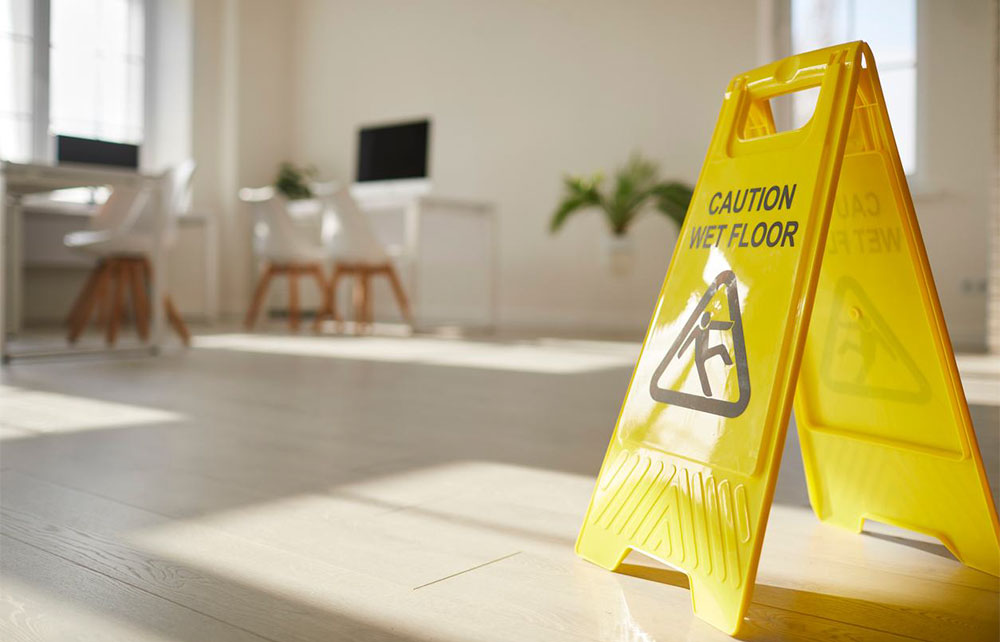
Corridors, stairwells, entries, and exits free from clutter, spills, and trip hazards.

Clean, well‑maintained surfaces.
Floors, handrails, and touchpoints that support traction, visibility, and hygiene, not hide risks.
Controlled access to spaces.
Only known, trained people in sensitive areas (clinical, industrial, data, resident, or secure zones).
Coordinated work around risk.
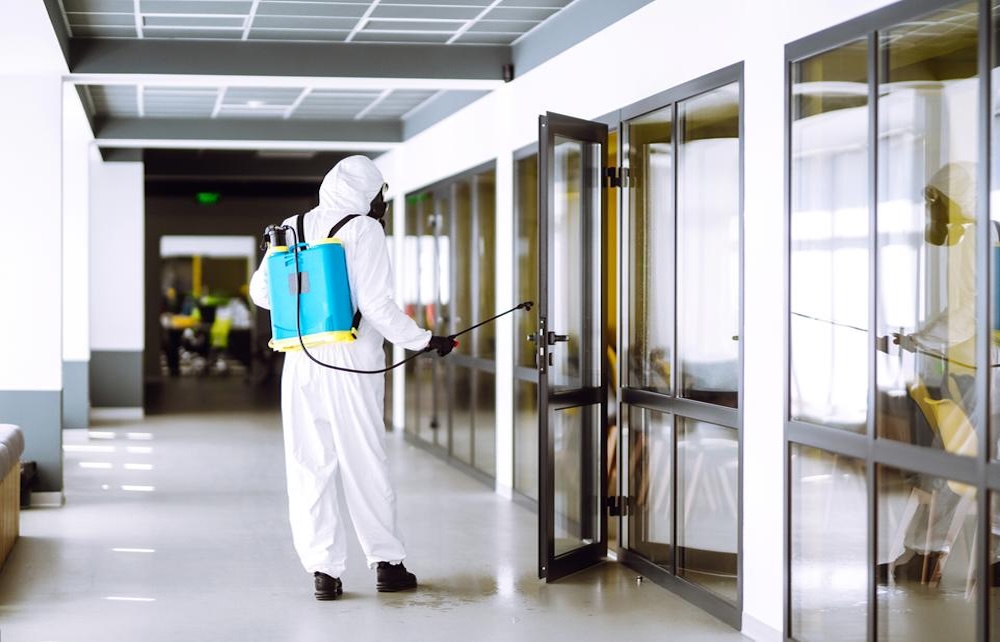
Cleaning and maintenance that respect lockout/tagout, infection‑prevention, confined space, and other site‑specific protocols.

Visible attention to issues.
Hazards identified, escalated, and addressed quickly, not left for someone else to solve.
We help define what that looks like for your mix of environments: corporate, medical, industrial, government and municipal, higher education and large campus environments, K‑12 schools, and controlled environments.
Safety isn’t a separate program; it’s built into the system.
Safety and access cut across every Facility System we design:
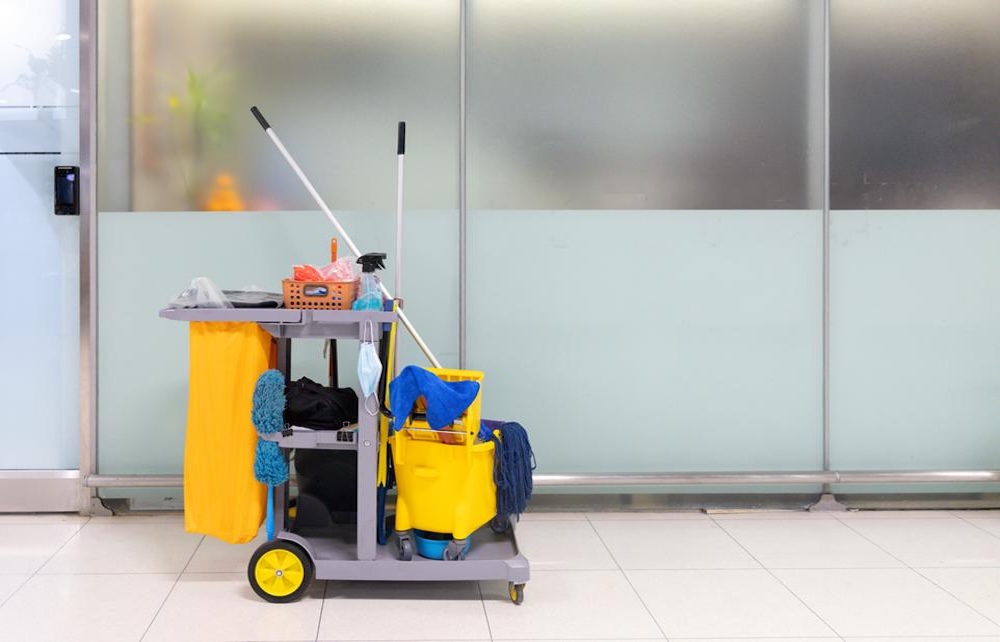
By making safety and access part of the Facility Systems design, we reduce the chance that the way work gets done undermines your safety goals.
Fewer surprises, fewer near misses, fewer hard conversations.
When safety and access are integrated into the facility’s operation, leaders typically see:
- fewer recurring hazards tied to cleaning and maintenance activities
- fewer “Who left this here?” or “Why is this blocked?” conversations
- fewer issues raised in surveys, inspections, or internal safety audits
- more confidence that facilities work is supporting, not compromising, safety programs
It doesn’t remove all risk, but it reduces the amount created by how day‑to‑day work is done.
The spaces where risk and perception intersect.
We help focus effort on:
Entries, lobbies, and main corridors
where spills, clutter, or poor lighting are both risky and highly visible.

Stairwells, ramps, and transitions
where falls and near‑misses often occur.

High‑risk zones
production areas, clinical spaces, resident units, data rooms, and other restricted areas.
Back‑of‑house and service corridors
where equipment, carts, and supplies can create hazards if unmanaged.
From there, we extend standards across the rest of the campus in a way that matches your budget and priorities.
Safer teams make for safer facilities.
The way we keep our own teams safe directly affects how safe your facility feels and functions. That includes:
- training on safe work practices, equipment use, and site‑specific rules
- clear expectations for PPE, access, and behavior in different environments
- processes for identifying and escalating hazards and near‑misses
- leadership that backs up employees who stop work for safety reasons
A workforce that understands and respects safety is better equipped to protect your people and your spaces.
Start with where risk and friction are showing up now.
You don’t need a complete risk assessment to begin. If you can share:
- what types of safety or access issues keep recurring in your facilities
- where you see friction between how work gets done and how safe it should be
- which areas make you most nervous before inspections, surveys, or leadership visits
we can walk through what a more accountable, hands‑on, invested safety and access system would look like as part of your facilities operation.
"*" indicates required fields