
Exterior & grounds where first impressions and safe access are protected, not left to chance.
AHI’s Exterior & Grounds services are designed as part of your overall Facility Systems, so entries, walks, façades, parking areas, and garages consistently support the standard your brand, tenants, patients, students, and visitors expect.
People make up their minds about your facility before they open the door.
For facility and operations leaders, exterior & grounds are more than curb appeal. They directly affect:
- how executives, clients, patients, residents, families, and tenants feel the moment they arrive
- whether people see your building as cared for, or wonder what else is being neglected
- safety and accessibility in parking areas, walkways, and entry zones
- how confident leadership feels about bringing guests on site
When exterior & grounds are inconsistent, overgrown, or poorly timed, you’re the one explaining it.
Intentional, safe, and aligned with what’s inside.
For Exterior & Grounds, “looking right” usually includes:

Entries and approaches that feel intentional.
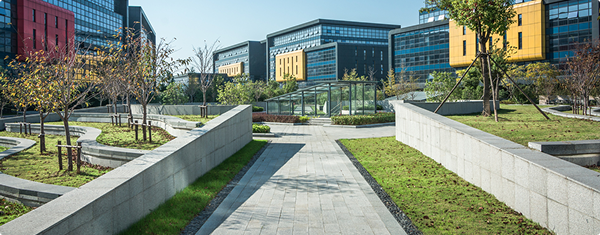
Clean, well‑maintained entries, plazas, and approaches: glass, hardscape, and sightlines that match the standard people expect once they’re inside.

Walks, ramps, and stairs that feel safe to use.
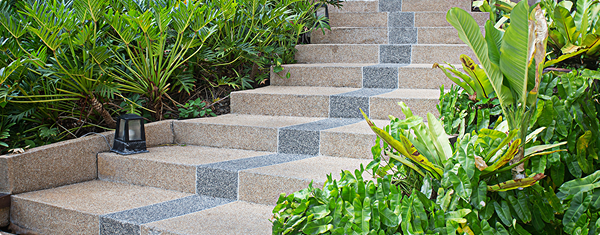
Clear, even, debris‑free surfaces with visible markings and no obvious trip or slip hazards.

Landscaping that frames, not fights, the building.
Beds, turf, and plantings that look purposeful instead of overgrown or forgotten, with sightlines and signage kept clear.

Parking and garages that feel orderly and cared for.
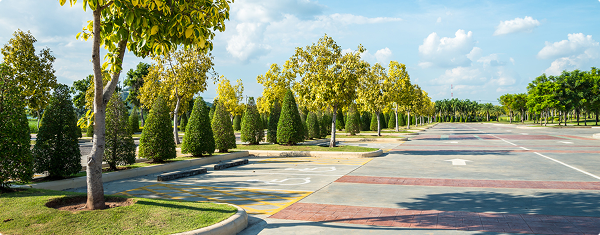
Striping, markings, and garage conditions that support safe circulation and don’t feel dark, dirty, or risky.

Support for what happens inside.
Exterior conditions that reduce soil and water tracked into buildings and don’t undermine interior standards.
Our job is to translate those expectations into day‑to‑day exterior work that holds up over time.
Part of a larger system that keeps outside and inside telling the same story.
Exterior & Grounds sits inside a broader Facility Systems design. We connect it to:

The result is a system that keeps what people see outside aligned with the standards you’re working to uphold inside.
Less “we should really do something about the outside” and more “this feels handled.”
When Exterior & Grounds are run as part of a disciplined Facility System, facility leaders usually see:
- fewer comments and complaints about “how things look out front”
- fewer last‑minute scrambles before visits, tours, or events
- less time spent chasing seasonal work that “fell through the cracks”
- more confidence that exterior conditions are supporting, not undermining, the building and brand
The goal is for Exterior & Grounds to quietly do their job so you can focus on everything else.
High-impact zones outside your doors.
We help prioritize Exterior & Grounds effort in:

Primary entrances and drop-off areas
Where first impressions are formed.

Parking lots and walkways
Where safety, lighting, and wayfinding need clear support.

Executive, client, and public facing zones
Where leadership, guests, and the public spend time.

Outdoor employee or resident spaces
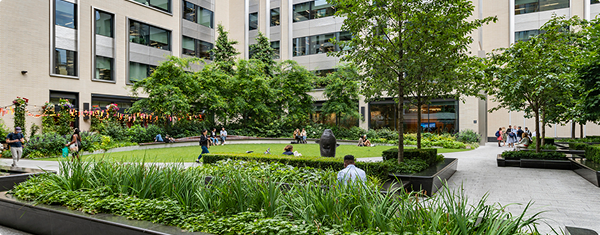
Patios, courtyards, and break areas that influence morale and satisfaction.
From there, we extend standards to the rest of the property in a way that matches your budget, risk profile, and expectations.
Exterior work that makes sense on paper and on the ground.
Because Exterior & Grounds work is scoped, scheduled, and inspected, you can:
- anticipate seasonal and periodic work instead of being surprised by it
- explain to leadership what current budgets actually cover, and what they don’t
- link exterior care to real risk and opportunity (safety, brand perception, leasing, patient/resident experience)
That makes it easier to defend both the spend and the standard when questions come up.
Start with what you see and what you’re hearing.
You don’t need a full site plan to start. If you can point to:
- areas that generate complaints or side comments
- spots you worry about before leadership, client, or community visits
- parts of your properties that feel “left behind” compared to the building
we can map that against what a disciplined Exterior & Grounds program would entail.
"*" indicates required fields