Water restoration that protects your facilities and your reputation.
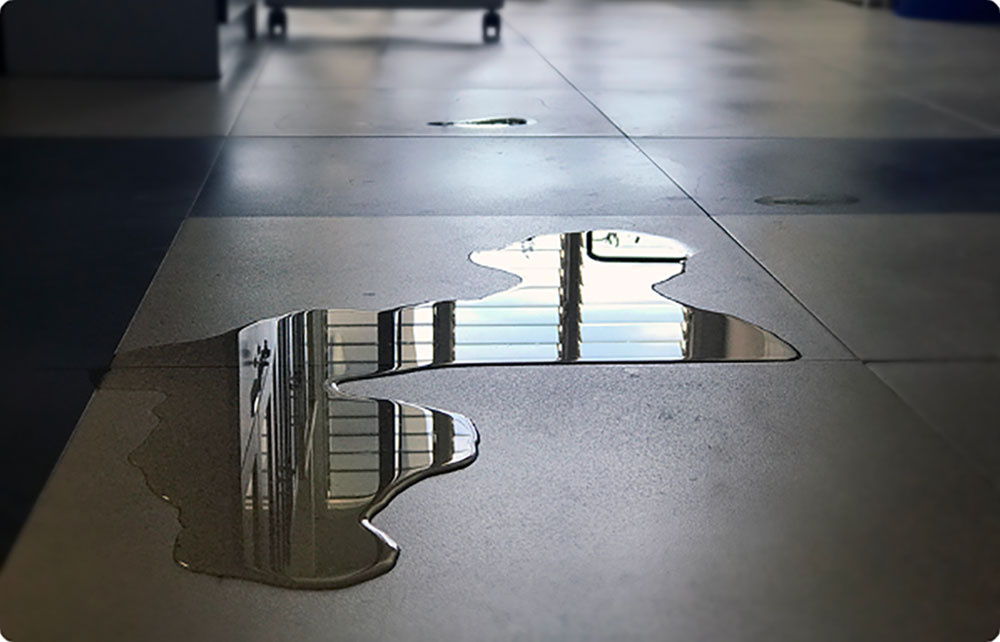
When water incidents hit: leaks, floods, broken lines, AHI’s water restoration services focus on fast containment, careful mitigation, and a return to “back to normal” that protects your building, operations, and the people who rely on you.
You don’t get to choose when water problems show up.
For facility and operations leaders, water incidents are never on the schedule. They can:
- shut down key areas or entire buildings with little warning
- damage finishes, equipment, and infrastructure if not handled correctly
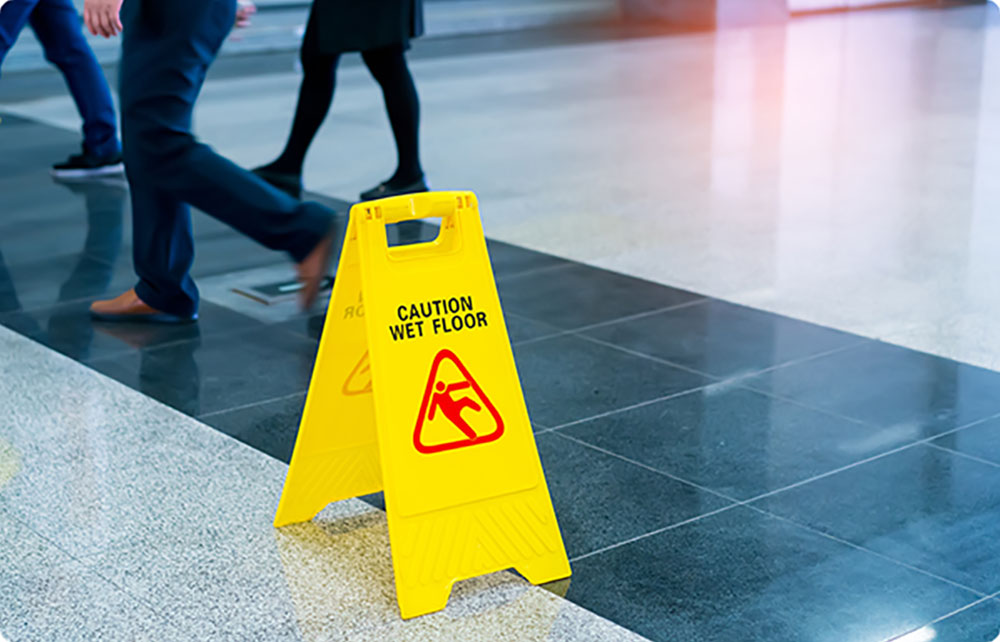
- raise safety risks around slips, electrical systems, and indoor air quality
- create visible issues that alarm staff, patients, residents, tenants, or customers
You need a response that handles the technical side and the perception side, quickly and competently.
Contain, remove, dry, and return to service.
A serious water restoration program typically includes:
We help define, in advance, what this should look like for your facilities, so you’re not figuring it out in the middle of an incident.
Planned as part of how your facilities operate, not an afterthought.
Water restoration is an extension of your Facility Systems, particularly when it comes to:

By treating restoration as part of the system design, you can move faster and more confidently when something happens.
Less scrambling, more controlled response.
When water restoration is part of a thought out plan with a trusted partner, facility leaders typically see:
- faster, more organized response when something goes wrong
- fewer ad-hoc decisions made under pressure
- clearer communication with leadership, tenants, staff, patients, residents, or customers
- more predictable paths from incident to “back in service”
Instead of every incident feeling like a brand new emergency, it becomes a test of a plan you’ve already thought through.
The spaces and risks you can’t ignore.
We help you focus on:




From there, we design response approaches that match your facility s types and risk levels.
Incidents handled in a way leadership and partners can stand behind.
The way you handle water incidents influences:
- how insurance carriers view risk and cooperation
- how regulators, surveyors, or auditors perceive your control over your environment
- how leadership, boards, and owners view your management of unexpected events
- how staff, families, tenants, and customers talk about the experience afterward
Our role is to help make sure that, when these incidents happen, the response becomes part of the story of competence and care, not a source of doubt.
Start before the next incident happens.
You don’t have to wait for a leak or flood to think this through. If you can share:
- what kinds of water incidents you’ve had in the past (and how they went)
- which areas in your facilities would be most critical if affected
- who is currently responsible for response and how prepared they feel
We can talk through what a more accountable, hands on, invested restoration plan would look like for your facilities.
"*" indicates required fields