
Higher education and large campus environments where facilities quietly influence confidence and decisions.
AHI designs and runs facility systems for universities and large campuses that support safety, pride, and day‑to‑day readiness so classrooms, labs, housing, and venues feel aligned with the promises you make to students, parents, faculty, and donors.
Students, parents, faculty, staff, and visitors all read the same spaces.
On a higher education campus or large campus environment, facilities are part of:
- how students and parents feel about safety, care, and value
- how faculty and staff feel about being supported by their environment
- how donors, boards, and visiting leaders perceive stewardship and priorities
- how prospective students, recruits, and partners see the institution's standards
If residence halls, classrooms, labs, commons, or venues don't look and feel right, people notice, and they don't always separate that from the quality of education or experience.
Safe, clean, and ready for the next class, event, or semester.
On higher education and large campuses, "looking right" usually includes:




Our job is to help define what that should look like across your campus, and then support it every day, not just on tour days.
Aligned with academic calendars and campus life.
Higher education and large campuses sit inside a broader Facility Systems design. We connect services to:

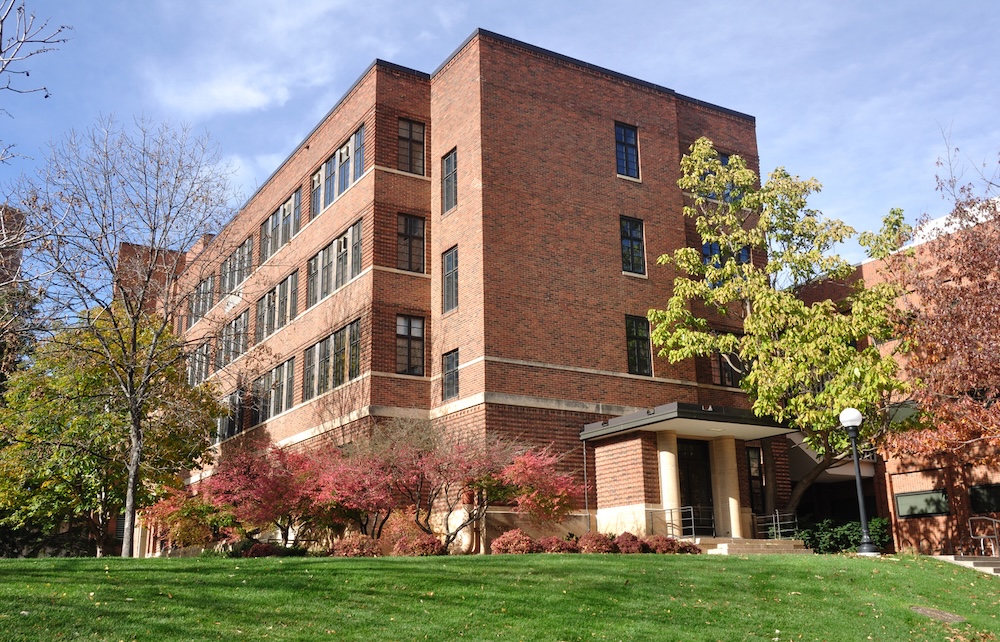
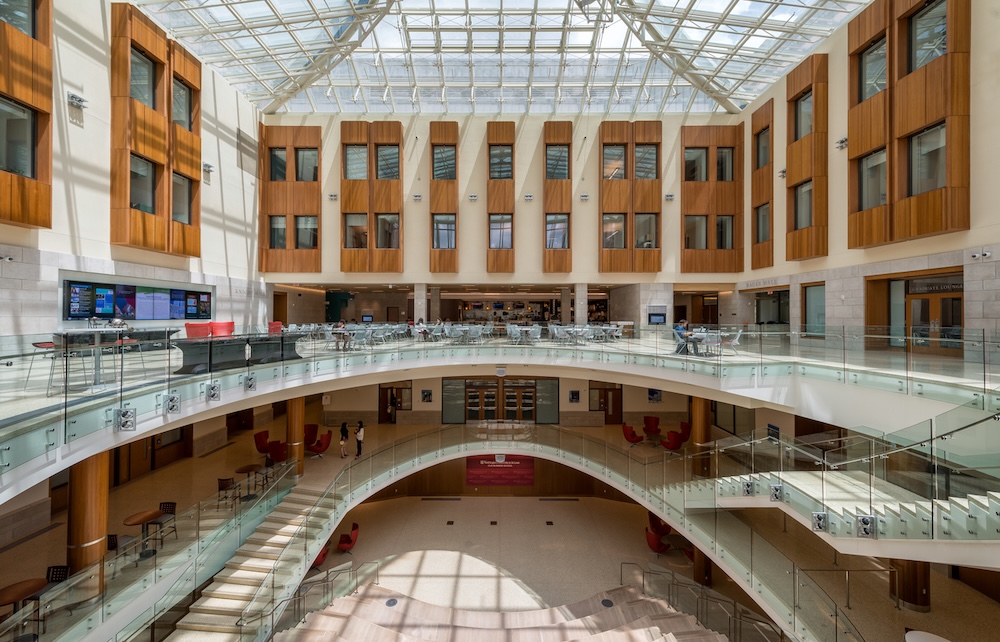
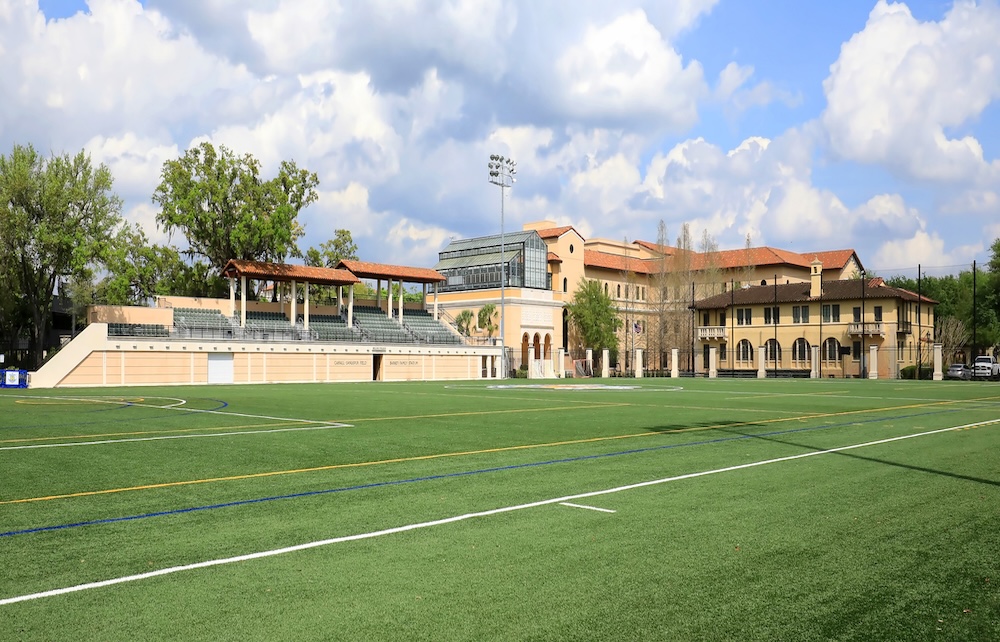
Everything is planned around your academic calendar, daily schedules, and key dates, not just a generic "Monday–Friday" plan, so the campus feels like one environment instead of a patchwork of approaches.
More focus on enrollment, retention, and experience, not chasing basics.
When higher education and large campus environments are consistently cared for, leaders often describe the shift like this:
- fewer complaints from students, parents, and faculty about cleanliness, odors, or safety
- fewer last‑minute corrections before campus tours, donor visits, inspections, or move‑in days
- less time explaining environmental issues in meetings about enrollment, retention, or rankings
- more capacity to focus on capital planning, program growth, and student experience initiatives
The environment stops competing with academic and institutional priorities.
The spaces that carry the most weight.
We help you focus effort where it has the greatest impact:

Welcome and admissions paths
entrances, lobbies, tour routes, and signature spaces that shape first impressions for prospective students, parents, and donors.

Classrooms and labs
where learning, safety, and perceived quality converge.

Housing and student life spaces
where students form much of their lived experience and judgments about care and community.

Restrooms and commons
where small issues quickly become big perceptions.

High‑profile venues
athletic, performance, and ceremonial spaces tied directly to reputation, media, and community presence.
From there, we scale practices across the rest of the campus in a way that matches your size, climate, and resources.
A campus environment that supports the story you're telling.
For higher education institutions and large campuses, the environment quietly influences:
- how students and parents talk about their experience
- what prospective students and recruits notice on visits
- how faculty and staff feel about where they work and live
- how donors, boards, and partners perceive stewardship and brand
Our role is to help the campus environment support, not undermine, the story you're telling about safety, quality, and student experience.
Start with where the environment is creating pressure.
You don’t need a full facilities plan to start. If you can share:
- where complaints or quiet comments are coming from (students, parents, faculty, staff, visitors)
- which buildings, paths, or venues spaces you worry about before tours, events, or visits
- how your current providers and internal teams are carrying the environmental load
we can walk through what a more accountable, hands-on, invested approach would look like for your higher education or large campus environment.
"*" indicates required fields