
Floor care & surface restoration where appearance, safety, and asset life stay aligned.
AHI’s Floor Care & Surface Restoration services are designed to keep floors and key surfaces looking right, performing safely, and lasting longer across lobbies, corridors, classrooms, patient and resident areas, production perimeters, dining spaces, and more, so you’re not constantly reacting to wear, complaints, or risk.
Here, floors quietly tell people whether you’re in control.
For facility and operations leaders, floor and surface conditions aren’t just cosmetic. They can directly affect:
- how leadership, staff, patients, students, tenants, and visitors read your standards
- how safe people feel moving through entries, corridors, stairs, and ramps
- how surveyors, regulators, and auditors interpret your control over the environment
- how often you’re pushed into reactive repairs or premature replacement
When floors are dull, uneven, slippery, stained, or visibly patched together, people notice, and they don’t always separate that from how they feel about the organization and its leadership. You can’t afford ad hoc shine ups or methods that work against safety, budgets, or brand.
Safe, intentional, and consistent over time.
In your facilities, “looking right” for Floor Care & Surface Restoration usually includes:
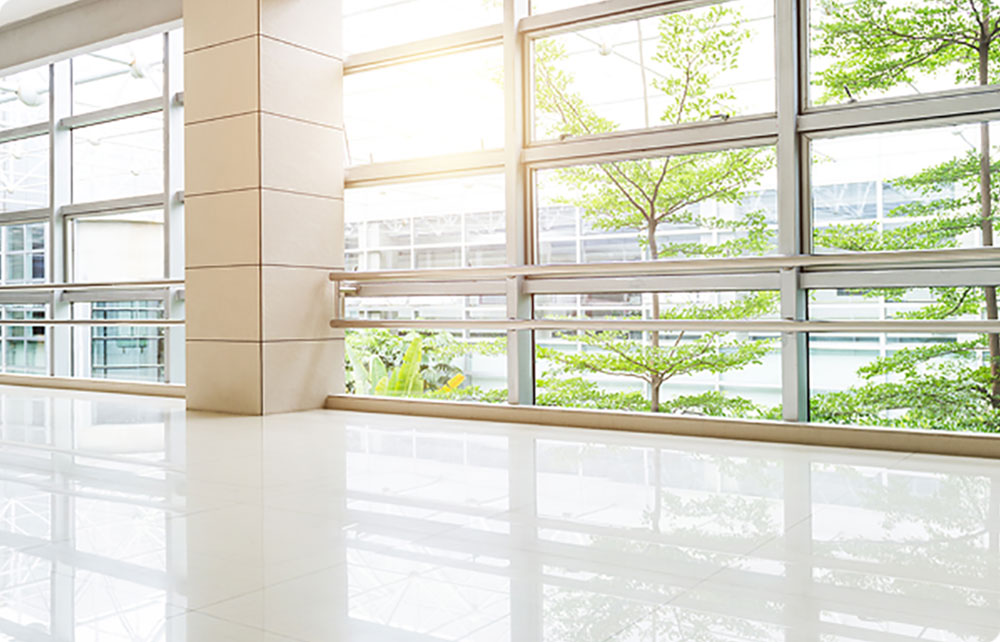
Entrances and lobbies that manage both traffic and weather.
Walk off mats, hard floors, and carpet that handle daily use and bad days without quickly looking tired, streaked, or dirty.
Main corridors and circulation paths that don’t show every mark.
VCT, LVT, tile, carpet, and polished surfaces that wear evenly and stay within a reasonable appearance standard between deep cycles.
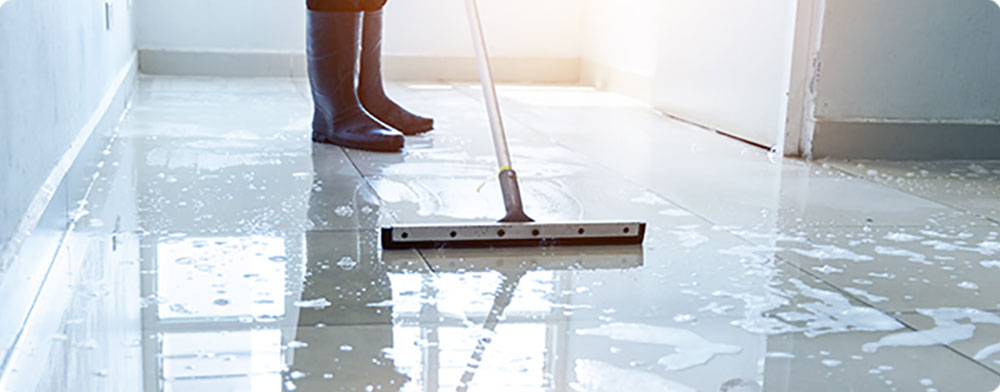
Restrooms, kitchens, and wet areas that support traction and hygiene.
Floors with appropriate grip and cleaning routines that reduce slip risk, odor holding buildup, and visible staining.
High‑visibility and specialty surfaces that match your story.
Stone, polished concrete, and specialty finishes in executive, public, or branded areas that reinforce your image instead of undermining it.
Stairs, ramps, and transitions that feel predictable underfoot.
Surface and elevation changes that don’t surprise people with unexpected slickness or unevenness as they move.
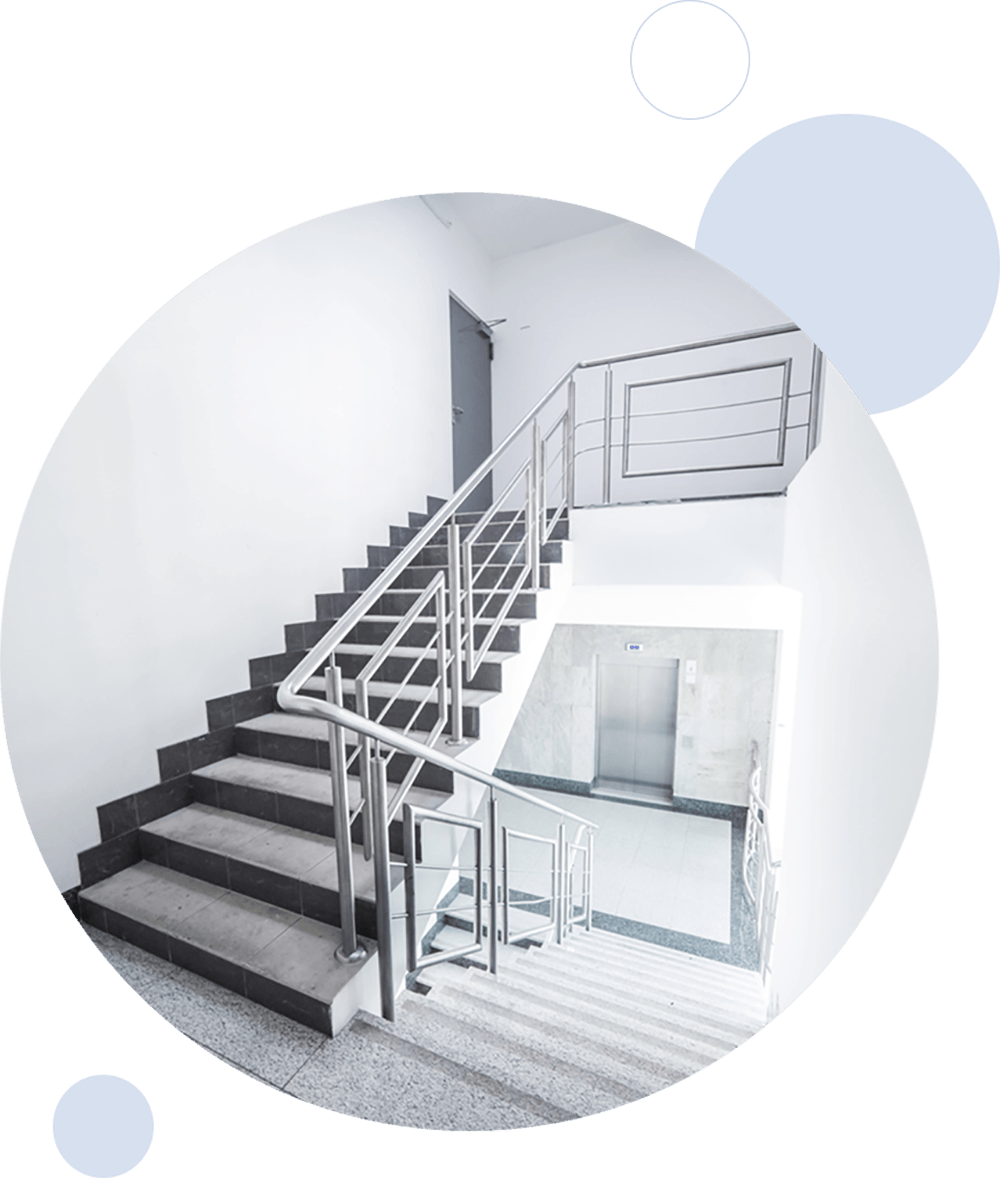
Our job is to translate these expectations into floor care and restoration work that holds up under real world use.
Part of a larger system that supports safety, appearance, and life‑cycle cost.
Floors and surfaces sit inside a broader Facility Systems design. We connect Floor Care & Surface Restoration to:
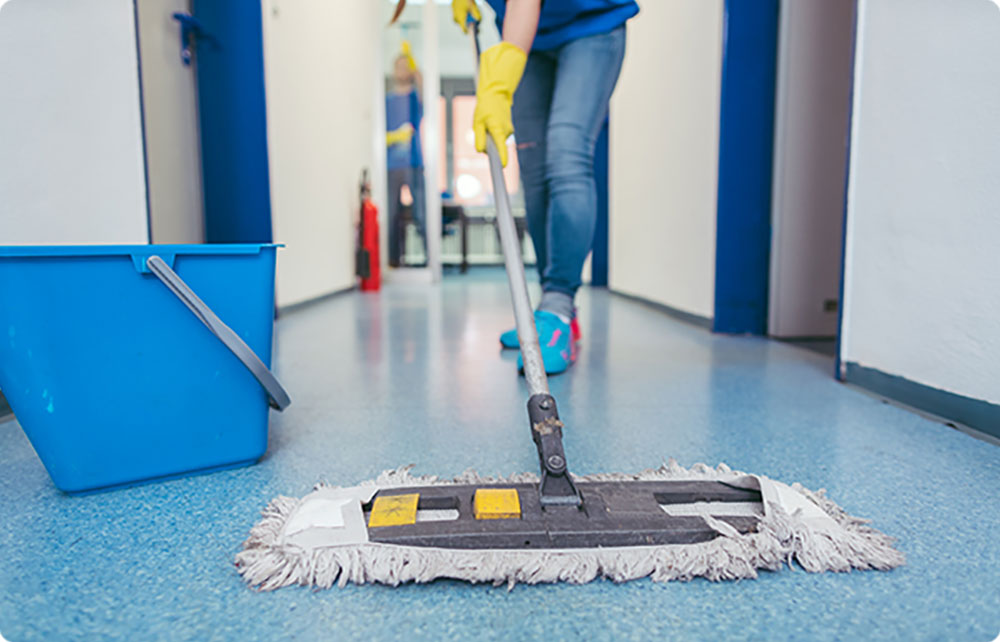
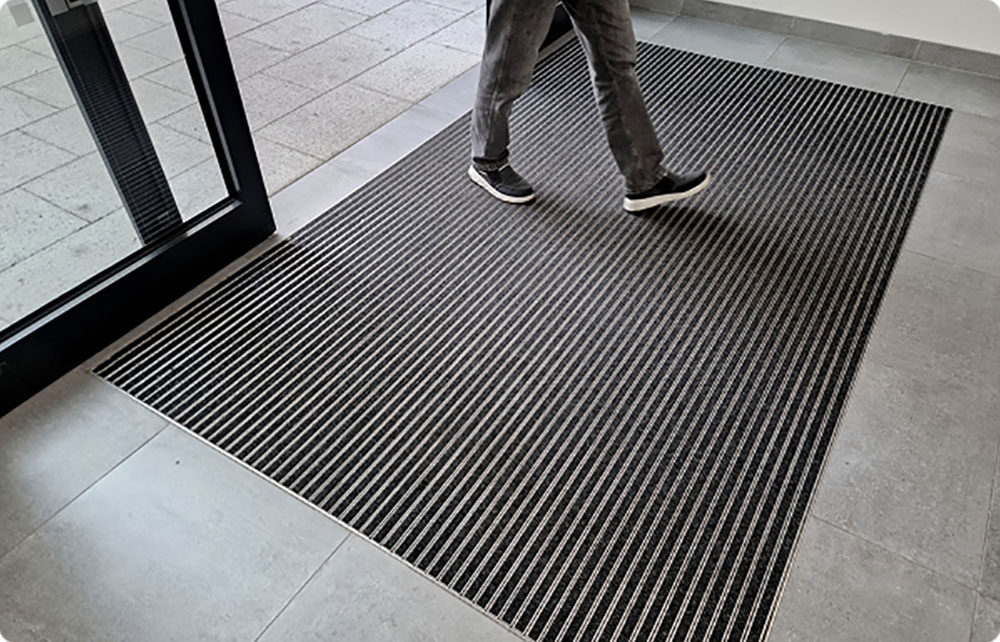
The result is a floor care system that doesn’t live on an island, it’s integrated with how your entire facility is used and maintained.
Fewer “the floors look terrible” conversations, more predictability.
When Floor Care & Surface Restoration is run as a disciplined system, facility leaders typically see:
- fewer complaints about dull, dirty, or uneven floors in lobbies, corridors, classrooms, and public spaces
- fewer last minute can we do something about the floors before this visit?” requests
- slower, more predictable wear patterns instead of scattered problem spots
- more confidence that safety and appearance are being protected at the same time
- clearer justifications for floor care budgets and replacement decisions
Floors stop being an ongoing source of embarrassment or surprise and start behaving like managed assets.
The surfaces that carry the most risk and perception.
We help you focus effort on:

Primary entrances and lobbies
where tracked soil, water, and first impressions all converge.

Main corridors and circulation paths
in corporate, healthcare, industrial, education, and public facilities where traffic is heaviest and wear is most visible.

Restrooms, kitchens, and wet areas
where moisture, soils, and slip risk intersect.

High‑visibility and specialty surfaces
executive areas, feature floors, and branded spaces that quietly signal your standards.

Stairs, ramps, and transitions
where surface conditions directly affect safety and confidence.
From there, we scale floor care and restoration across the rest of your facilities in a way that matches your risk profile, occupancy, and budget.
Floor care that supports what you’re actually measured on.
Because Floor Care & Surface Restoration methods, schedules, and responsibilities are defined and managed, you can:
- support safety goals by aligning products and cycles with traction and slip resistance needs
- improve how people experience your facilities by reducing visibly worn or neglected areas
- show leadership, boards, or owners how floor care spend links to asset life and risk, not just appearance
- explain with clarity where you’re ahead, where you’re behind, and what it would take to close the gap
That alignment makes it easier to defend both the condition of your floors and the investments that keep them performing.
Start with the floors that keep pulling attention.
You don’t have to have every surface mapped to start. If you can outline:
- where floors are generating complaints or concerns (entries, corridors, restrooms, classrooms, patient areas, production perimeters, dining spaces)
- where you feel most exposed before visits, surveys, or leadership walk throughs
- how floor care is currently being handled between daily cleaning, periodic work, and projects
we can walk through what a more accountable, hands on, invested Floor Care & Surface Restoration approach would look like for your facilities.
"*" indicates required fields