K-12 school facilities where the environment supports learning, safety, and parent trust.
AHI designs and runs facility systems for K‑12 independent school districts that keep classrooms, corridors, restrooms, cafeterias, and gyms ready for students, teachers, and families every day, so the environment supports learning and safety instead of creating constant distraction.
Students, staff, parents, and the community all see the same buildings.
In K‑12 Independent School Districts, facilities are part of:
- how safe and cared‑for students feel when they walk into classrooms, corridors, and restrooms
- how teachers and staff feel about being supported to do their work
- how parents and guardians judge your district’s standards and stewardship
- how boards, superintendents, inspectors, and the wider community read your priorities
When classrooms, corridors, restrooms, cafeterias, gyms, and outdoor spaces don’t look and feel right, people don’t just question cleanliness they question safety, care, and leadership.
Safe, orderly, and ready for today’s bell schedule.
In K‑12 schools, “looking right” typically includes:

Classrooms and learning spaces
floors, desks, surfaces, and touchpoints that feel clean and orderly at the start of the day and ready between periods.

Corridors, stairs, and entries
halls, stairwells, and entryways that feel safe, clear, and well‑kept as students move between classes and buildings.

Restrooms
student and staff restrooms that stay reasonably clean, stocked, and odor‑controlled throughout the day, not just after a morning clean.

Cafeterias and food service areas
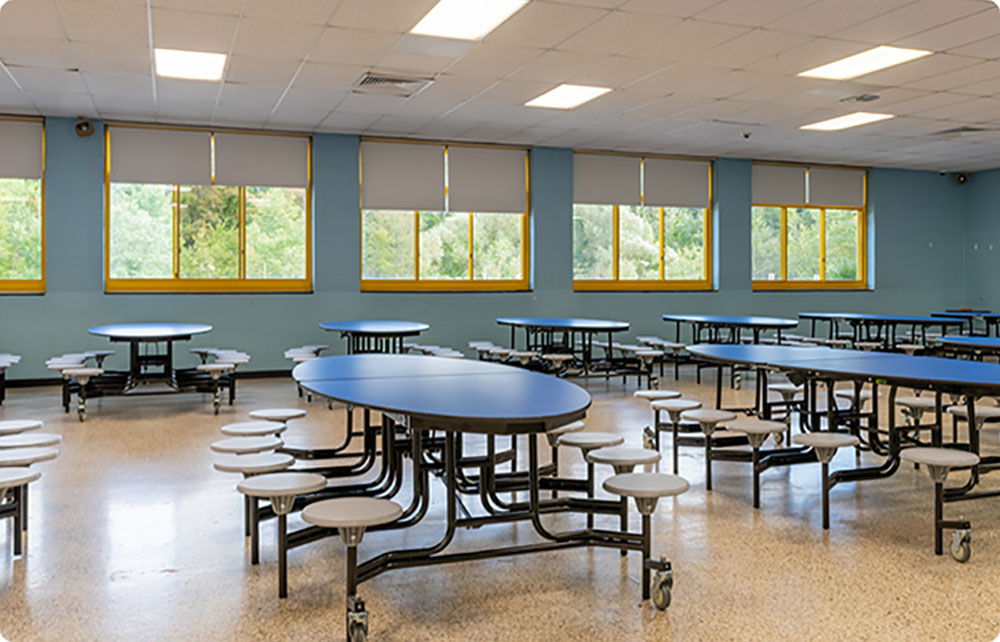
dining spaces and serving lines that feel hygienic, controlled, and ready for multiple lunch waves.

Gyms and activity spaces
gym floors, locker rooms, and multipurpose rooms that support athletics and events without looking beat‑up or neglected.

Administrative and support spaces
offices, health rooms, counseling areas, and workrooms that feel professional and cared‑

Exterior & Grounds
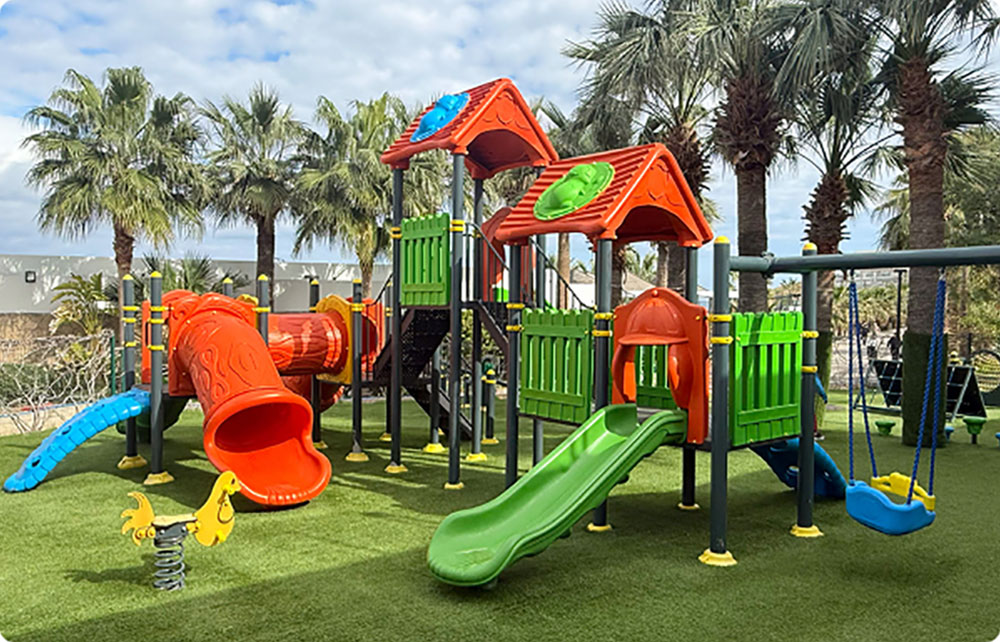
drop‑off and pick‑up zones, sidewalks, entries, and play areas that feel safe and well‑managed before anyone steps inside.
Our job is to help define what that should look like across your campuses and then support it consistently through the right Facility Systems.
One integrated operating model across your district.
For K‑12 Independent School Districts, AHI uses the same core Facility Systems and tunes them for schools:

The result is an environment designed around how school days actually run and how your campuses are evaluated, not just square footage or a generic “one size fits all” program.
Fewer facilities distractions, more focus on students and staff.
When Facility Systems are aligned to K‑12 campuses, district and school leaders usually notice:
- fewer repeat complaints from students, staff, and parents about the same spaces
- fewer “this looks bad” moments on walk‑throughs, tours, or board visits
- smoother openings after breaks, projects, or moves
- clearer expectations and accountability between central facilities, school leaders, and providers
- more time and attention available for instructional priorities, safety, and staff support instead of chasing basics
The environment stops competing with teaching and learning for your attention.
The spaces where safety, learning, and perception intersect.
We help you prioritize effort where it has the greatest impact:
From there, we scale practices across the rest of your footprint in a way that matches your calendars, budgets, and staffing.
Buildings that back up what you say about your district.
For K‑12 districts, the environment quietly influences:
- how parents and guardians talk about their child’s school
- how students feel about being valued and safe on campus
- how teachers and staff interpret leadership’s priorities
- how boards, inspectors, and community members judge your stewardship
Our role is to help the buildings support not undermine the story you’re telling about learning, safety, and care.
Start with where the environment is creating pressure.
You don’t need a full facilities inventory to begin. A useful first conversation usually covers:
- which schools or campuses generate the most complaints or concern (from staff, students, or parents)
- where you worry most before open houses, events, inspections, or board visits
- how work is currently divided between central facilities, school‑based staff, and external providers
from there, we can walk through what a more accountable, hands‑on, invested approach would look like for your district.
"*" indicates required fields