
Government & municipal facilities where the environment quietly shapes public trust.
AHI designs and runs facility systems for government and municipal facilities that keep public‑facing spaces, offices, chambers, and support areas clean, safe, and consistent, so the environment supports public trust and accountability instead of quietly working against it.
Residents, staff, and oversight all read the same spaces.
In government and municipal environments, facilities are part of how people experience public service. They influence:
- how residents feel about how seriously you take their needs and safety
- how staff and departments feel about being supported to do their work
- how elected officials, boards, and commissions read your discipline and stewardship
- how auditors, regulators, and the media interpret risk and accountability
When lobbies, chambers, counters, corridors, and staff spaces don’t look and feel right, people notice, and they don’t always separate that from how well you’re doing your job.
Safe, orderly, and ready for the people you serve.
In government & municipal facilities, “looking right” usually includes:

Public service environments
lobbies, service counters, waiting areas, and halls that feel clean, orderly, and safe for residents and visitors.

Meeting environments
council chambers, hearing rooms, and conference spaces that feel ready for public meetings, briefings, and recorded sessions.

Staff and operations environments
offices, workrooms, corridors, and break areas that allow staff to work without feeling like they’re in neglected back-of-house spaces.

Support and back-of-house environments
storage, mechanical, and staging areas that don’t undermine safety, compliance, or staff confidence.

Exterior & Grounds
entries, walks, steps, ramps, parking, and plazas that set expectations before people ever reach the front desk.
Our job is to help define what that should look like across your mix of government and municipal buildings, and then support it consistently with clear standards, staffing, and routines that fit your risk and public‑facing expectations.
One integrated operations model across public and staff spaces.
For government & municipal facilities, AHI draws from the same core Facility Systems and then tunes them to public service environments:
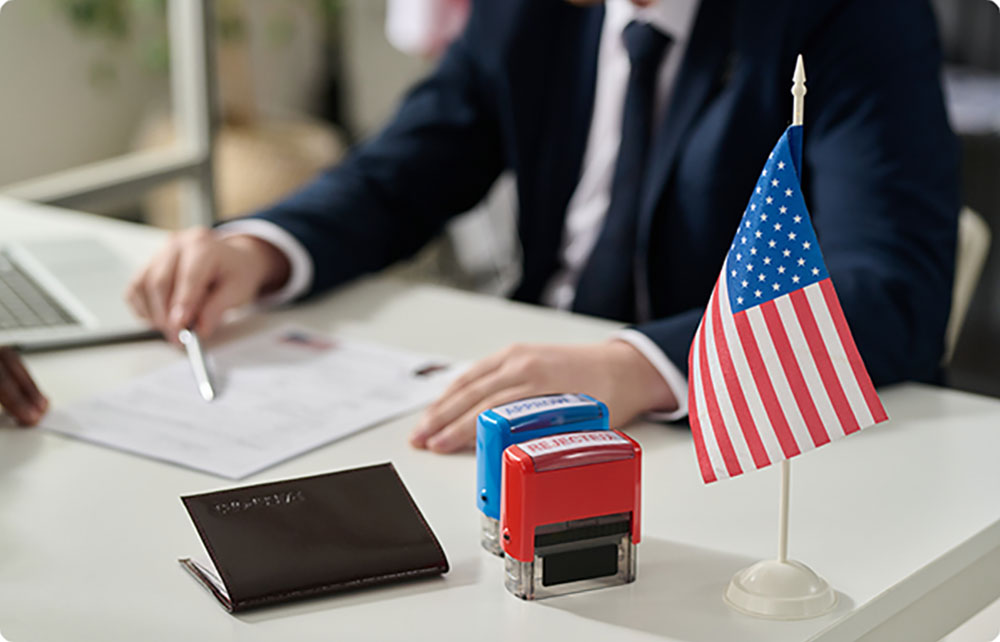
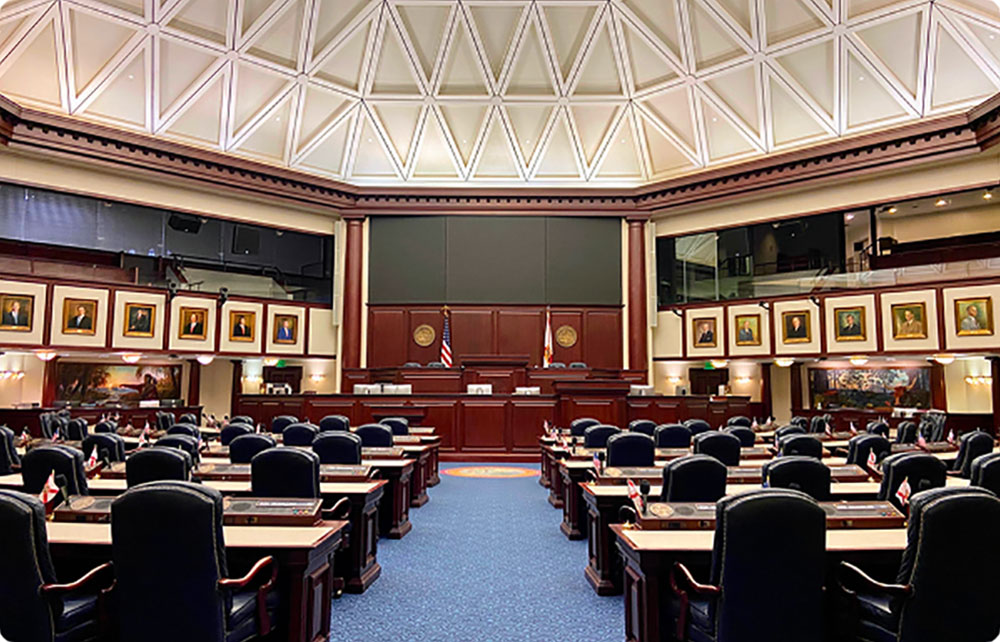
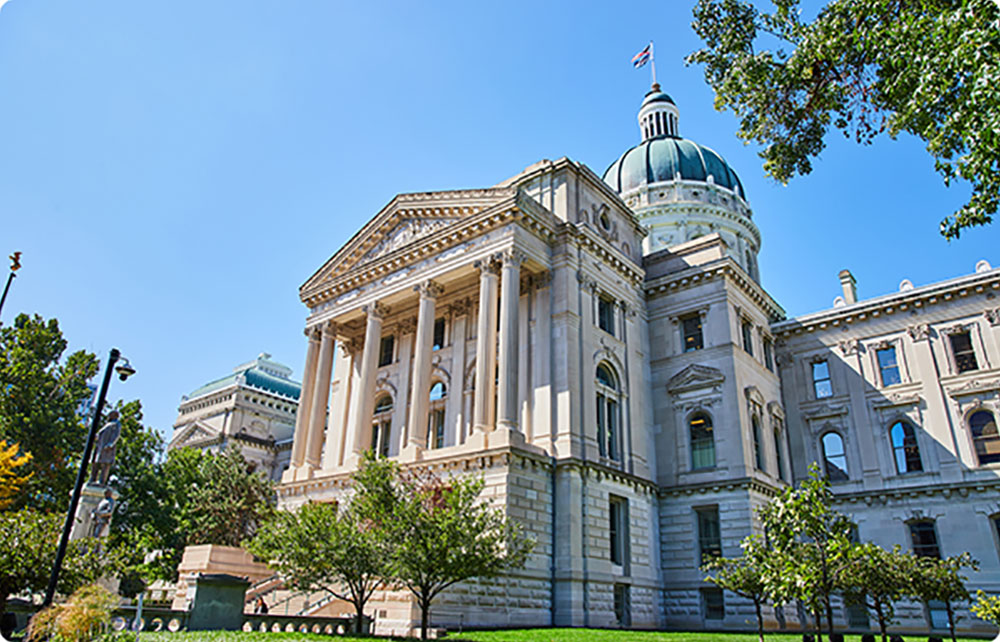
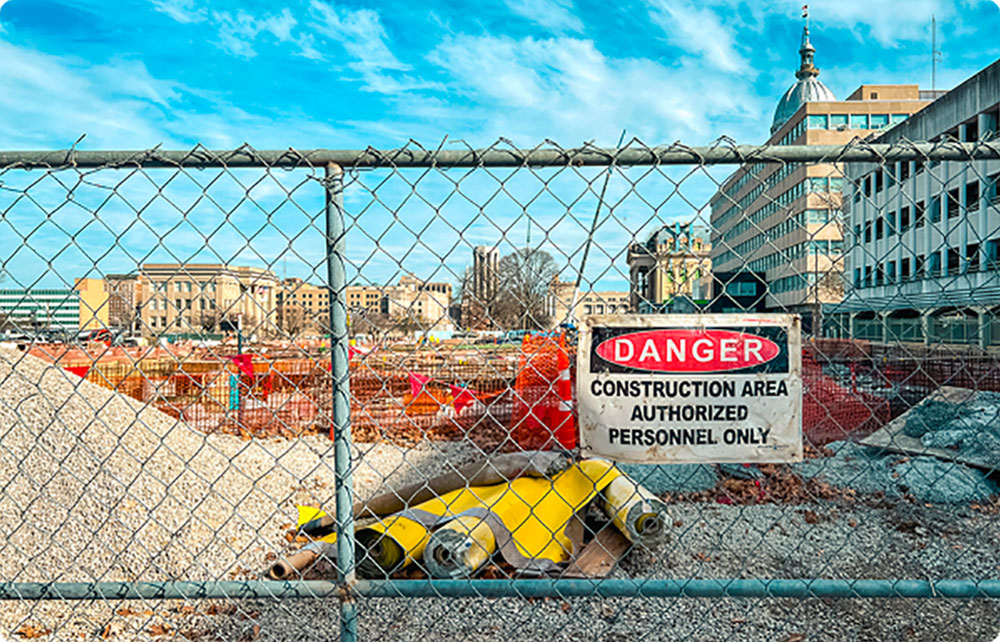
These systems work together so that public service, meeting, staff, and support environments all feel like they’re managed to the same standard.
Less time defending the buildings, more time leading the work.
When Facility Systems are aligned to government & municipal facilities, leaders usually notice:
- fewer repeat complaints from residents, staff, and elected officials about the same spaces
- fewer “this looks bad on camera” concerns in meetings, hearings, and broadcasts
- fewer last-minute scrambles before visits, audits, or high-profile events
- clearer lines of responsibility when something isn’t where it needs to be
- more time to focus on budgets, capital planning, and service delivery instead of chasing basic issues
The facilities stop being a recurring distraction and start behaving like a stable part of your public service infrastructure.
The spaces where risk, perception, and service intersect.
We help you prioritize effort where it has the greatest impact:
From there, we scale practices across the rest of your footprint in a way that matches your structures, budgets, and risk.
Facilities that back up what you say about accountability.
For government & municipal organizations, the environment quietly influences:
- how residents talk about their experience at your buildings
- what auditors, regulators, and watchdogs note during visits
- how elected officials and boards view your operational discipline
- how media and community stakeholders frame stories about your agency
Our role is to help the facilities support, not undermine, the story you’re telling about stewardship, safety, and accountability.
Start with where the environment is creating pressure.
You don’t need a full facility inventory to begin. A useful first conversation usually covers:
- which buildings or departments generate the most complaints or concern
- where you worry most before public meetings, visits, or inspections
- how work is currently divided between internal teams and external providers
from there, we can walk through what a more accountable, hands‑on, invested approach would look like for your government or municipal facilities.
"*" indicates required fields