
An operations system for how your facilities really run.

Instead of juggling a patchwork of vendors, you get one accountable, hands‑on operations team that designs, staffs, and manages the systems that keep your facilities looking right and working well.

Most facility problems aren’t about a single missed task.

When complaints, inspection issues, or safety concerns keep popping up, they rarely come from one checklist item. They come from how the whole facility services function is set up:

Fragmented responsibilities across multiple vendors

Inconsistent standards by area or shift

Different crews with different expectations and priorities

No one clearly accountable for how it all fits together

AHI’s Facility Systems are designed to replace that with
one coordinated operation you can rely on.

A coordinated set of services, people, and standards under one accountable operation.

For each environment, we design a facilities services system that brings together:

So they work as a single, predictable operation instead of a series of disconnected tasks.

Aligned systems around the places and risks that matter most.

Different facilities need different combinations of systems, but the foundations are consistent.
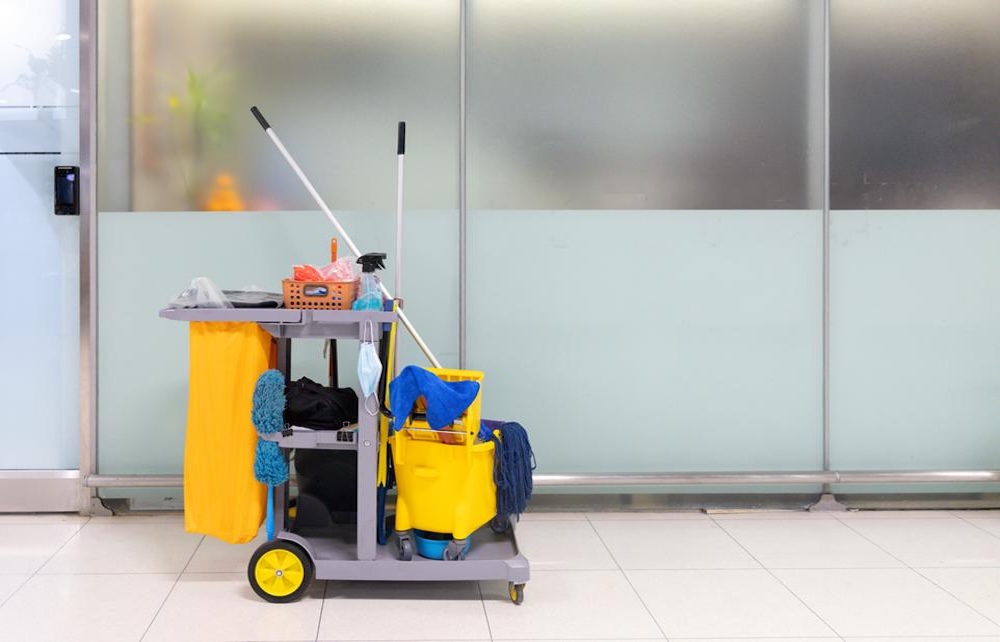
Interior Environment System

Everything that shapes how inside spaces look, feel, and function day‑to‑day.

  • Commercial janitorial and interior cleaning
  • High‑touch surface cleaning and disinfection (where appropriate)
  • Restroom, lobby, corridor, and common area cleanliness
  • Waste and recycling handling in line with building policies

Designed to reduce complaints, support health and safety, and keep visible spaces ready for everyday use and important visits.

Clinical & Controlled Environment System

For spaces where methods and discipline carry clinical or technical weight.

  • Medical and healthcare cleaning aligned with clinical expectations
  • Cleaning and maintenance for clean rooms and data centers
  • Methods and materials tuned to infection control, product integrity, or uptime requirements

Designed to respect workflows, minimize disruption, and support regulatory and customer standards.

Industrial & High‑Security System

For plants, logistics hubs, and secure environments where access and compliance matter as much as appearance.

  • Industrial cleaning around production lines and equipment
  • Support for high‑security and restricted areas
  • Programs aligned with safety, audit, and contractual requirements

Designed to manage risk, support safe operations, and keep auditors and customers confident.

Residential & Community Environment System

For spaces where day‑to‑day experience shapes trust and dignity.

  • Assisted living and senior care community cleaning
  • Resident rooms, common areas, dining and activity spaces
  • Odor control and attention to details families and residents notice

Designed to support dignity, comfort, and family confidence.

Public‑Facing Environment System

For environments where people are choosing to enter, stay, and return.

  • Retail and mixed‑use facility cleaning
  • Front‑of‑house and back‑of‑house coordination
  • Entryways, restrooms, parking areas, and circulation paths

Designed to support safety, perception, and the brand experience for tenants, customers, and visitors.

Education & Worship Environment System

For schools, universities, and houses of worship where facilities carry a promise.

  • Classroom, lab, and commons cleaning
  • Worship, assembly, and event spaces
  • Support for big days: services, performances, parent nights, ceremonies

Designed to align with what parents, students, staff, congregations, and donors expect to see and feel.

Cross cutting systems that keep everything predictable.

Across all facility types, we rely on supporting systems that keep quality and coordination consistent:

Windows, vents, high dusting, deep cleaning, floor care, carpet care, and specialty work planned into the program not added reactively.

Landscaping, exterior cleaning, and entrances designed to support safety, first impressions, and wayfinding.

Green cleaning chemicals and methods aligned with CIMS‑GB standards and your sustainability goals, where appropriate.

Water restoration and specialty response capabilities that integrate with day‑to‑day routines, so unplanned events don’t undo everything.

These pieces are coordinated by the same accountable operations team, so changes in one area don t create new problems somewhere else.

Animation:
Orbs bouncing around with no true path or purpose then they shift and form into a circle that is rotating around a central hub to show the before/after

Customized design, consistent philosophy.

No two facilities have the same layout, traffic patterns, risk profile, or standards. The design process for your facility systems always starts with:

  • Thorough site survey
  • mapping stakeholders, risk, and expectations
  • agreeing on what “looking right” needs to mean in each area

From there, we assemble and tune the right systems and services for:

  • corporate campuses and headquarters
  • medical and healthcare facilities
  • high‑security and industrial environments
  • assisted living and senior care communities
  • retail and public‑facing facilities
  • education and worship facilities

The result is an operations design that reflects your world, not a generic template.

From constant firefighting to steady, predictable operations.

When Facility Systems are working the way they should, leaders describe it simply:

  • Fewer surprises and repeat complaints.
  • Fewer “Who is that?” questions about unfamiliar people in the building.
  • Walkthroughs and inspections that feel predictable instead of risky.
  • Less time spent managing vendors and more time spent managing the facilities.
  • Confidence that when something does go wrong, there is a clear path and owner to resolve it.

That s what these systems are designed to support.

Talk through how your facilities run today.

A short conversation can map your current vendors, services, and pain points against a Facility Systems view and reveal where a more accountable, integrated operation could make the biggest difference.

"*" indicates required fields